Standard Days Method (SDM)

Purpose

This TRP module for SDM was developed for use in training physicians, nurses, midwives, and other health care providers allowed to counsel women on SDM. It is designed to actively involve the trainees in the learning process. Sessions include PowerPoint presentations, simulation skills practice in the form of role plays, discussions, and skills practice using objective competency-based skills checklists. At the end of this module, the trainee will be able to describe SDM, counsel and screen clients interested in using SDM, provide services for SDM clients, and provide follow-up care, including on-going contraception.

Standard Days Method (SDM) Facilitators Guide

This Facilitator’s Guide will help you make effective use of the SDM module of The Training Resource Package (TRP). The TRP module on the SDM is part of a global resource package for trainers, supervisors, and program managers. It contains user-friendly materials and resources for designing, conducting and evaluating training for family planning SDM providers. The resource package is specifically designed for trained mid-level providers and can be adapted for use with lower-level community health workers.
Standard Days Method (SDM) Facilitators Guide
Word document . 355.25 kB

Learning Objectives

By the end of the training, as appropriate to their scope of practice and job description, trainees should be able to:
1
Describe the characteristics of the Standard Days Method (SDM) in a manner that clients can understand including:
• What is the Standard Days Method and how it works • Other characteristics (e.g., absence of STI/HIV protection, role of couple communication, when to initiate and discontinue) • Effectiveness and requirements for correct use • Why some women like SDM
2
Demonstrate the ability to offer the SDM:
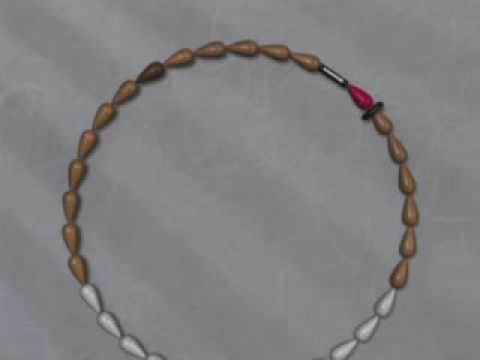
• Screen clients for eligibility for SDM • Determine when to initiate SDM use • Explain to clients how to use the SDM to identify fertile days and monitor cycle length using both CycleBeads® and paper-based instructions for SDM. • Discuss with clients protection during fertile days by using condoms or avoiding intercourse. • Explain when the method will no longer work for the client • Explain when to seek assistance from a provider
3
Explain how to provide continuing support to the user.

Module Session Plan

The session plan describes the subject content, method of instruction, learning activities, resources and materials that will support you in preparing for and conducting the session. It includes a training schedule that provides a breakdown of the module by day, time, and topic

Presentation slides

The presentation slides provide technical information on the subject matter. The text for these slides can be found in the speaker notes

All slides are color coded according to information.

Evaluation Tools

The module contains tools for evaluating the knowledge and skill of trainees. These include pre- and post-knowledge assessment questionnaires having objective questions, with instructions for scoring the tests and competency-based skills checklists for assessing the acqired skills during and after the training. It also contains the course evaluation tool.

References

The main references for the implants module as well as for other modules of the TRP are the World Health Organization’s four cornerstones of family planning guidance.

Videos

search icon
File Name
File Type
Size
All downloads (0)
PPT
301 kB
PPT
937.5 kB
PPT
857.76 kB
PPT
530.31 kB
Word Doc
44.99 kB
Word Doc
24.72 kB
PDF
642.22 kB
PDF
120.2 kB
PDF
842.7 kB
Word Doc
629.5 kB
Word Doc
15.45 kB
Word Doc
37 kB
Word Doc
1.03 mB
PDF
1.18 mB
PDF
557.21 kB
Word Doc
36.07 kB
Word Doc
21.05 kB
Word Doc
19.51 kB
Word Doc
22.99 kB
Presentation Slides

The PowerPoint presentations include technical information on COCs. There are three types of slides:

Pale blue/green slides

Slides conveying most of the technical information are pale blue/green

Pale blue/green slides with a pink header

The pale blue/green slides with a pink header are primarily pictorial slides. Many of them come from WHO’s Decision-Making Tool for Family Planning Clients and Providers. They are useful for all trainees, but are especially useful for trainees of low-literacy.

Pale blue advanced slides

The pale blue advanced slides present research that supports the recommendations in the Global Handbook and the Training Resource Package and can be included or excluded by the facilitator as appropriate. They are especially appropriate for physicians who may desire additional information from supporting research studies. The text for these slides can be found in the speaker’s notes, rather than in the session guide.

Contact Us

For all queries, please email us at srhcfc@who.int.