Progesterone Vaginal Ring (PVR)

Purpose

This training module is designed to support health care workers in developing the knowledge, skills and attitudes needed to provide accurate information and counseling on contraceptive implants to clients and promote voluntary and informed choice. In addition, it can also be used to train physicians, nurses, midwives and other health care providers to insert and remove implants, if this is appropriate to their scope of practice and job description. It is designed to actively involve the trainees in the learning process. Training sessions include the use of PowerPoint presentations, skills practice in the form of role plays, case studies and discussions, as well as clinical practice, with anatomic models and clients, using objective competency-based skills checklists.

Progesterone Vaginal Ring (PVR) Facilitators Guide

The facilitator’s guide intends to prepare and guide you in facilitating the training course for Contraceptive Implants. It provides detailed information about using the required materials available on this website–slides, handouts, evaluation materials, and additional references. It is recommended that you familiarize yourself with this guide before conducting the training course.
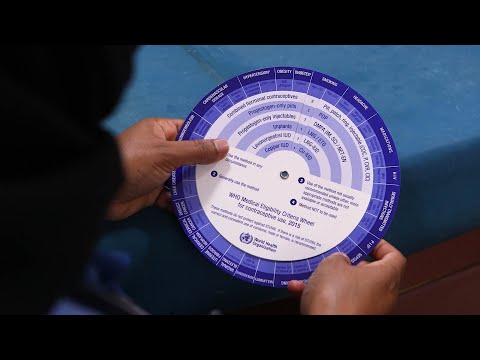
Progesterone Vaginal Ring (PVR) Facilitators Guide
Word document . 507.36 kB

Learning Objectives

By the end of the training, as appropriate to their scope of practice and job description, trainees should be able to:
1
Describe the characteristics of PVR.
Learn what PVR is, how it works and the effectiveness. Learn about non-contraceptive health benefits, possible risks and complications, and other characteristics including STI/HIV protection, ease of use, return to fertility, when to initiate and discontinue.
2
Demonstrate the ability to:
Screen clients for medical eligibility for PVR, explain to clients how to insert, remove, and dispose of PVR, explain when to return to the clinic, address common concerns, misconceptions, and myths, and conduct follow-up for PVR clients in a way that enhances continuing safety, satisfaction, and acceptance.
3
Describe when to initiate use of PVR.
4
Explain how to manage side effects.
5
Identify conditions that require switching to another method.
6
Demonstrate on anatomical models how to insert and remove PVR.

Module Session Plan

The session plan describes the subject content, method of instruction, learning activities, resources and materials that will support you in preparing for and conducting the session. It includes a training schedule that provides a breakdown of the module by day, time, and topic
PVR: Session Plan
Word document . 98.93 kB

Presentation slides

The presentation slides provide technical information on the subject matter. The text for these slides can be found in the speaker notes

All slides are color coded according to information.

Evaluation Tools

The module contains tools for evaluating the knowledge and skill of trainees. These include pre- and post-knowledge assessment questionnaires having objective questions, with instructions for scoring the tests and competency-based skills checklists for assessing the acqired skills during and after the training. It also contains the course evaluation tool.

References

The main references for the implants module as well as for other modules of the TRP are the World Health Organization’s four cornerstones of family planning guidance.

Videos

search icon
Presentation Slides

The PowerPoint presentations include technical information on COCs. There are three types of slides:

Pale blue/green slides

Slides conveying most of the technical information are pale blue/green

Pale blue/green slides with a pink header

The pale blue/green slides with a pink header are primarily pictorial slides. Many of them come from WHO’s Decision-Making Tool for Family Planning Clients and Providers. They are useful for all trainees, but are especially useful for trainees of low-literacy.

Pale blue advanced slides

The pale blue advanced slides present research that supports the recommendations in the Global Handbook and the Training Resource Package and can be included or excluded by the facilitator as appropriate. They are especially appropriate for physicians who may desire additional information from supporting research studies. The text for these slides can be found in the speaker’s notes, rather than in the session guide.

Contact Us

For all queries, please email us at srhcfc@who.int.